Follow Us







Homepage Slideshow
Design and Implementation of Monitoring and Evaluation Systems
Scheduled Dates: 08 – 19 Jan | 01 – 12 Apr | 01 – 12 Jul | 07 – 18 Nov '24
Leadership in Management Master Class Workshop
Scheduled Dates: 12th - 23rd Aug 2024 (DUBAI)
Project Proposal writing and fund raising techniques
Scheduled Dates: 08 – 19 Jan | 26 Feb – 8th Mar (Dubai) | 01 – 12 Apr | 01 – 12 Jul | 07 – 11 Oct '24
http://centreforpm.co.ke/index.php/seminar-short-courses/project-management1?layout=edit&id=146
Monitoring and Evaluation
Scheduled Dates: 05 – 09 Feb | 06 – 10 May | 05 – 09 Aug | 04 – 08 Nov '24
http://centreforpm.co.ke/index.php/seminar-short-courses/project-management1?layout=edit&id=137
Ms Project and Power BI Workshop
Scheduled Dates: 15 – 26 Jan | 15 – 26 Apr | 15 – 26 Jul | 14 – 25 Oct '24
http://centreforpm.co.ke/index.php/seminar-short-courses/it-computer-courses1?layout=edit&id=132
Research, Monitoring and Evaluation in the Public Sector
Scheduled dates: 05 – 16 Feb | 06 – 17 May | 05 – 16 Aug | 04 – 15 Nov '24
http://centreforpm.co.ke/research-monitoring-and-evaluation-in-the-public-sector
Project Management Professional (PMP) Exam Prep Sessions
Training Session: 3rd - 7th June 2024 (36hrs Covered)Mock Exams & Revision: 10th - 19th JuneIntake Every MonthProject Leadership & Governance
Scheduled Dates: 3rd - 15th June 2024 (2 weeks) DUBAIhttp://centreforpm.co.ke/images/slideshow/Leadership--Governance.jpg
Financial Analysis and Management
Scheduled Dates: 12 – 23 Feb | 3 – 14 Jun | 12 – 23 Aug | 11 – 22 Nov '24
http://centreforpm.co.ke/images/slideshow/Report-Writing-Skill.jpg
Management Development for Personal Assistants
Scheduled Dates: 08 – 19 Jan | 08 – 19 Mar | 08 – 19 Jul | 07 – 18 Oct '24
http://centreforpm.co.ke/images/slideshow/Perfect-PA-and-Effective-Office-Admin-Skills.jpg

Read More
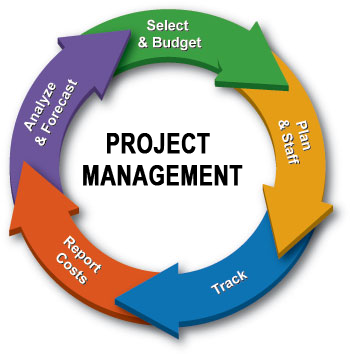 Enhance delegates' knowledge, understanding & skills in the concepts of PM and related disciplines.
Read More
 A platform to horne skills in Time Mgt; Communication; Leadership, Perfect Writing prowess among other HR knowledge areas.
Read More
 A department with focus to enrich in latest business acumen necessary for great success.
Africa Centre for Project Management (CPM)
Seminar/Short Courses
COURSE INFORMATION
Scheduled Dates: 16 – 27 Mar 2026 | 15 – 26 Jun 2026 | 14 – 25 Sept 2026 | 07 – 18 Dec 2026
Duration: 2 Weeks
Customized dates and one-on-one sessions can be organized.
COURSE DESCRIPTION
This two-week course offers an in-depth exploration of the concepts, principles, and practices underlying the green economy and sustainable energy. Participants will gain a comprehensive understanding of how these two critical fields intersect, focusing on how economic systems can be transformed to promote environmental sustainability, reduce carbon footprints, and create a sustainable energy future. The course will provide both theoretical foundations and practical insights, offering tools for real-world implementation and a deeper appreciation of global energy challenges and solutions.
Through interactive lectures, case studies, and group discussions, the course aims to equip participants with the knowledge needed to contribute to a transition towards greener economic and energy systems in their respective sectors.
TARGET GROUP
This course is designed for:
• Policymakers, government officials, and urban planners working in environmental and energy policy.
• Professionals in energy, environmental, and sustainability sectors looking to understand the intersection of green economy and sustainable energy.
• Entrepreneurs and business leaders interested in developing or transitioning to green economy practices.
• Students and researchers focusing on environmental sciences, renewable energy, sustainable development, or related fields.
• Non-governmental organizations (NGOs) and community development organizations aiming to promote sustainable practices.
• Anyone interested in understanding the crucial role of energy in driving the transition to a sustainable economy.
COURSE OUTLINE
Introduction to Green Economy & Sustainable Development
• Introduction to Green Economy
• Environmental Sustainability and Economic Transformation
• Sustainable Development Goals (SDGs) and Green Economy
• Green Economy Policies and Governance
• Stakeholder Engagement and Collaboration
Sustainable Energy Solutions
• Introduction to Sustainable Energy
• Renewable Energy Technologies
• Energy Efficiency and Demand Management
• Financing Sustainable Energy Projects
• Policy, Innovation, and the Future of Sustainable Energy
REGISTRATION
To register, kindly fill the Seminar Registration Form and send it to us through:
Email: This email address is being protected from spambots. You need JavaScript enabled to view it. , This email address is being protected from spambots. You need JavaScript enabled to view it.
TERMS AND CONDITIONS OF PAYMENT
Fees Payment - All fees are payable strictly in advance 2 working days before the course starting date.
Cancellation Fee - Cancellation of any participant 5 working days before the start day of a course will incur a 20% cancellation fee.
We regret that no cancellations will be accepted within 2 working days of a course, but substitutions may be made.
COURSE INFORMATION
Scheduled Dates: 05 – 16 Jan 2026 | 06 – 17 Apr 2026 | 06 – 17 Jul 2026 | 05 – 16 Oct 2026
Duration: 2 Weeks
Customized dates and one-on-one sessions can be organized.
COURSE DESCRIPTION
This two-week intensive course on Green Growth and Circular Economy provides participants with an in-depth understanding of sustainable economic development strategies that focus on environmental responsibility, resource efficiency, and long-term profitability. The course will explore how organizations, governments, and individuals can transition from linear to circular business models, minimizing waste and maximizing the reuse of resources. Key concepts of green growth, circular economy principles, and real-world applications will be discussed through case studies, expert talks, and hands-on activities.
TARGET GROUP
• Business Professionals (Managers, Entrepreneurs, Sustainability Officers)
• Policy Makers (Government officials, Environmental Regulators)
• Academics and Researchers in Environmental Studies, Economics, and Sustainable Development
• Non-Governmental Organizations (NGOs) focused on Environmental and Sustainability Issues
• Students of Environmental Science, Economics, and Business Management
• Consultants and Industry Leaders working in green technology, waste management, and resource efficiency sectors
The course is designed for individuals who are keen to gain practical and strategic knowledge of green growth and the circular economy to drive change in their organizations or communities.
COURSE OUTLINE
Introduction to Green Growth and Circular Economy
• Introduction to Sustainable Development
• Understanding the Circular Economy
• Green Growth Policies and Strategies
• Circular Economy Models and Business Applications
• Tools for Measuring Green Growth Impact
Practical Application, Case Studies, and Action Planning
• Circular Economy in Practice
• Innovation and Technology in Green Growth
• Policy and Regulatory Frameworks for Circular Economy
• Industry-Specific Circular Economy Case Studies
• Developing Circular Economy Action Plans
REGISTRATION
To register, kindly fill the Seminar Registration Form and send it to us through:
Email: This email address is being protected from spambots. You need JavaScript enabled to view it. , This email address is being protected from spambots. You need JavaScript enabled to view it.
TERMS AND CONDITIONS OF PAYMENT
Fees Payment - All fees are payable strictly in advance 2 working days before the course starting date.
Cancellation Fee - Cancellation of any participant 5 working days before the start day of a course will incur a 20% cancellation fee.
We regret that no cancellations will be accepted within 2 working days of a course, but substitutions may be made.
COURSE INFORMATION
Scheduled Dates: 19 – 30 Jan 2026 | 13 – 24 Apr 2026 | 20 – 31 Jul 2026 | 19 – 30 Oct 2026
Duration: 2 Weeks
Customized dates and one-on-one sessions can be organized.
COURSE DESCRIPTION
This two-week intensive course provides participants with a comprehensive understanding of the Green Economy, Sustainability, and Climate Change Management. The course integrates theoretical knowledge and practical applications, offering insights into the principles of green economics, sustainable development practices, and strategies for managing climate change. Participants will explore key global challenges such as carbon emissions, resource depletion, and environmental degradation, and will be equipped with tools and strategies to transition towards a more sustainable and resilient economy. Case studies, policy frameworks, and real-world applications will be examined to foster a holistic understanding of these urgent issues.
TARGET GROUP
• Policy Makers and Government Officials: Individuals involved in shaping environmental policies and regulations.
• Environmental Practitioners: Professionals working in environmental NGOs, conservation, or consultancy.
• Corporate Leaders and Managers: Decision-makers in industries aiming for sustainability integration.
• Academics and Researchers: Those studying environmental science, economics, or sustainable development.
• Students and Young Professionals: Individuals interested in building careers related to sustainability, climate change, or green economics.
COURSE OUTLINE
Foundations of Green Economy and Sustainability
• Introduction to Green Economy
• Sustainability Principles and Practices
• Understanding Climate Change
• Policy and Regulatory Frameworks
• Sustainable Development Goals (SDGs) and Green Economy
Climate Change Management and Practical Solutions
• Climate Change Mitigation Strategies
• Climate Change Adaptation
• Circular Economy and Resource Management
• Financing Green Economy Projects
• Designing Climate Action Plans
REGISTRATION
To register, kindly fill the Seminar Registration Form and send it to us through:
Email: This email address is being protected from spambots. You need JavaScript enabled to view it. , This email address is being protected from spambots. You need JavaScript enabled to view it.
TERMS AND CONDITIONS OF PAYMENT
Fees Payment - All fees are payable strictly in advance 2 working days before the course starting date.
Cancellation Fee - Cancellation of any participant 5 working days before the start day of a course will incur a 20% cancellation fee.
We regret that no cancellations will be accepted within 2 working days of a course, but substitutions may be made.
COURSE INFORMATION
Scheduled Dates: 16 – 27 Mar 2026 | 15 – 26 Jun 2026 | 14 – 25 Sept 2026 | 07 – 18 Dec 2026
Duration: 2 Weeks
Customized dates and one-on-one sessions can be organized.
COURSE DESCRIPTION
This two-week course offers a comprehensive exploration of the intersection between economics and sustainability. It aims to provide participants with an understanding of how economic systems and policies can support sustainable development, as well as the challenges and opportunities that arise when addressing environmental, social, and economic sustainability. Through a combination of lectures, case studies, and interactive discussions, participants will gain insights into key concepts, theories, and practical tools to apply in real-world scenarios. The course will highlight the role of economics in driving sustainable practices at both micro and macro levels.
TARGET GROUP
This course is designed for:
• Students pursuing degrees in economics, environmental science, public policy, and related fields.
• Professionals working in sustainability roles, environmental management, or policy development.
• Business leaders and managers interested in integrating sustainability into their organizational strategies.
• Government officials and NGO representatives involved in environmental policy, sustainable development, or climate change initiatives.
COURSE OUTLINE
Foundations of Economics and Sustainability
• Introduction to Economics and Sustainability
• Sustainable Development: Concepts and Frameworks
• Economic Theories and Sustainability
• Market Systems and Environmental Impact
Sustainable Economic Practices and Policies
• Green Growth and Circular Economy
• Business and Economics of Sustainability
• Government Policies for Sustainable Development
• Global Challenges and Future Directions
REGISTRATION
To register, kindly fill the Seminar Registration Form and send it to us through:
Email: This email address is being protected from spambots. You need JavaScript enabled to view it. , This email address is being protected from spambots. You need JavaScript enabled to view it.
TERMS AND CONDITIONS OF PAYMENT
Fees Payment - All fees are payable strictly in advance 2 working days before the course starting date.
Cancellation Fee - Cancellation of any participant 5 working days before the start day of a course will incur a 20% cancellation fee.
We regret that no cancellations will be accepted within 2 working days of a course, but substitutions may be made.
COURSE INFORMATION
Scheduled Dates: 05 – 16 Jan 2026 | 06 – 17 Apr 2026 | 06 – 17 Jul 2026 | 05 – 16 Oct 2026
Duration: 2 Weeks
Customized dates and one-on-one sessions can be organized.
COURSE DESCRIPTION
The Fundamentals of Green Growth course is designed to introduce participants to the principles, strategies, and policies essential for promoting environmentally sustainable development while ensuring economic growth. Over two weeks, the course will cover key concepts related to green growth, sustainable development, the green economy, and the transition to a low-carbon, resource-efficient society. Participants will gain a comprehensive understanding of how to integrate environmental considerations into economic policies, business strategies, and development projects. By the end of the course, participants will be equipped with the necessary knowledge to implement green growth initiatives and foster sustainable practices within their organizations or governments.
TARGET GROUP
This course is suitable for:
• Government Officials involved in policy-making, environmental regulation, and sustainable development initiatives.
• Business Leaders and Entrepreneurs seeking to integrate sustainability into their business models.
• Environmental Consultants and NGO Professionals working in sustainable development and green economy sectors.
• Academics and Researchers interested in exploring the intersection of economics, environment, and policy.
• Students who aim to build expertise in sustainability and green growth principles.
COURSE OUTLINE
Introduction to Green Growth and the Green Economy
• Introduction to Green Growth
• The Green Economy: Concepts and Frameworks
• Policy Tools and Regulatory Frameworks for Green Growth
• Green Growth in Practice: Case Studies from Around the World
• Assessment and Review: Green Growth Fundamentals
Green Growth in Business, Innovation, and Investment
• Green Business Practices and Sustainable Supply Chains
• Financing Green Growth: Investment Opportunities and Challenges
• The Role of Innovation in Green Growth
• Local and Global Green Growth Strategies
• Course Wrap-Up: Action Planning and Evaluation
REGISTRATION
To register, kindly fill the Seminar Registration Form and send it to us through:
Email: This email address is being protected from spambots. You need JavaScript enabled to view it. , This email address is being protected from spambots. You need JavaScript enabled to view it.
TERMS AND CONDITIONS OF PAYMENT
Fees Payment - All fees are payable strictly in advance 2 working days before the course starting date.
Cancellation Fee - Cancellation of any participant 5 working days before the start day of a course will incur a 20% cancellation fee.
We regret that no cancellations will be accepted within 2 working days of a course, but substitutions may be made.
UPCOMING COURSES

Scheduled Dates: 4th to 15th May 2026
Duration: Two weeks
Venue: NAIROBI
Online Sessions every month
Register at http://www.centreforpm.co.ke/apply-online

Scheduled Dates: 18th to 29th May 2026
Duration: Two (2) Weeks
Venue: Shanghai - China
Register at http://www.centreforpm.co.ke/apply-online
Scheduled Dates: 20th to 24th July 2026
Duration: Two (2) Weeks
Venue: Kigali, Rwanda.
Online Sessions also scheduled.
Register at http://www.centreforpm.co.ke/apply-online
TESTIMONIALS
Construction Project Management course was presented explicitly by the Consultant Engineer. It was amazing and I learned a lot from the project planning start to it's successful completion

~~
It was a pleasure for our team from Ethiopia to attend the Project Management workshop in Kenya. The whole package was professional from start to the finish. The pace was intense and very well focused on the key points.

I'm really satisfied with your course, the trainer was fully qualified, he is an effective communicator and excellent person.

Search
Seminar/Short Courses
Testimonies
Downloads
Who's Online
We have 10 guests and no members online
Connect with us
 Kenbelt Business Park, First floor,
Old Mombasa Road,
Nairobi, Kenya.
 +254 732 880255
 +254 705 880255